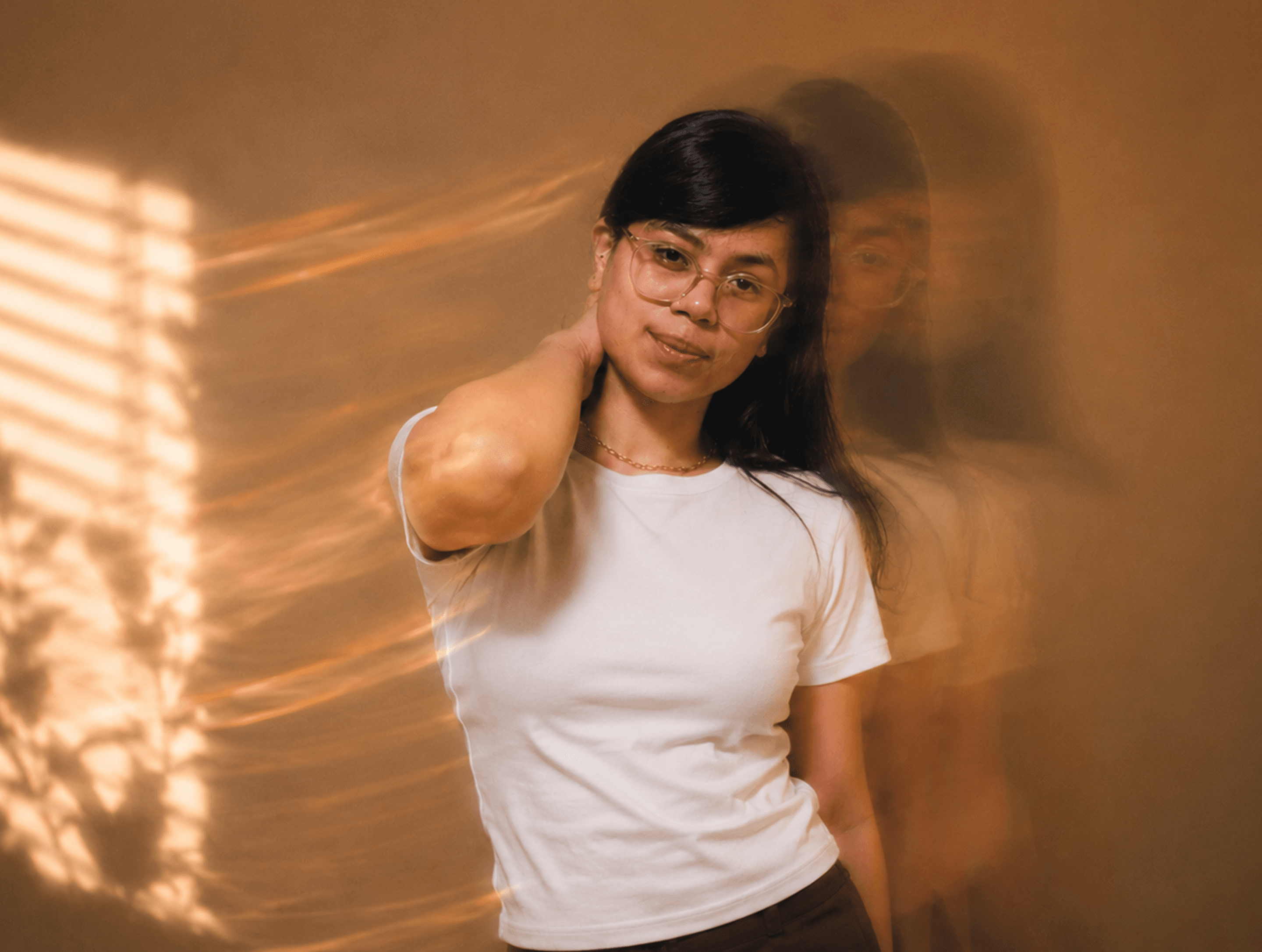
Hello, I am
Diksha Ghanshani
From observing customer behavior in a family-run stationery shop to designing healthcare solutions and large-scale product experiences, the journey has always been driven by one belief — meaningful design begins with understanding people.

Design beyond
screens.
Design, for me, has never been limited to visuals or interfaces. It has always been about people — how they think, behave, choose, struggle, connect, and experience the world around them. I believe truly meaningful design begins with empathy and grows through understanding human needs, emotions, and everyday experiences.
Growing up in a family business shaped the way I observe products, environments, and customer interactions. Those early experiences eventually evolved into a deeper practice of research-driven, empathy-led design focused on building impactful experiences across products, healthcare, communities, and digital ecosystems.
A journey of passion,
purpose, and creative
exploration

Where it all started
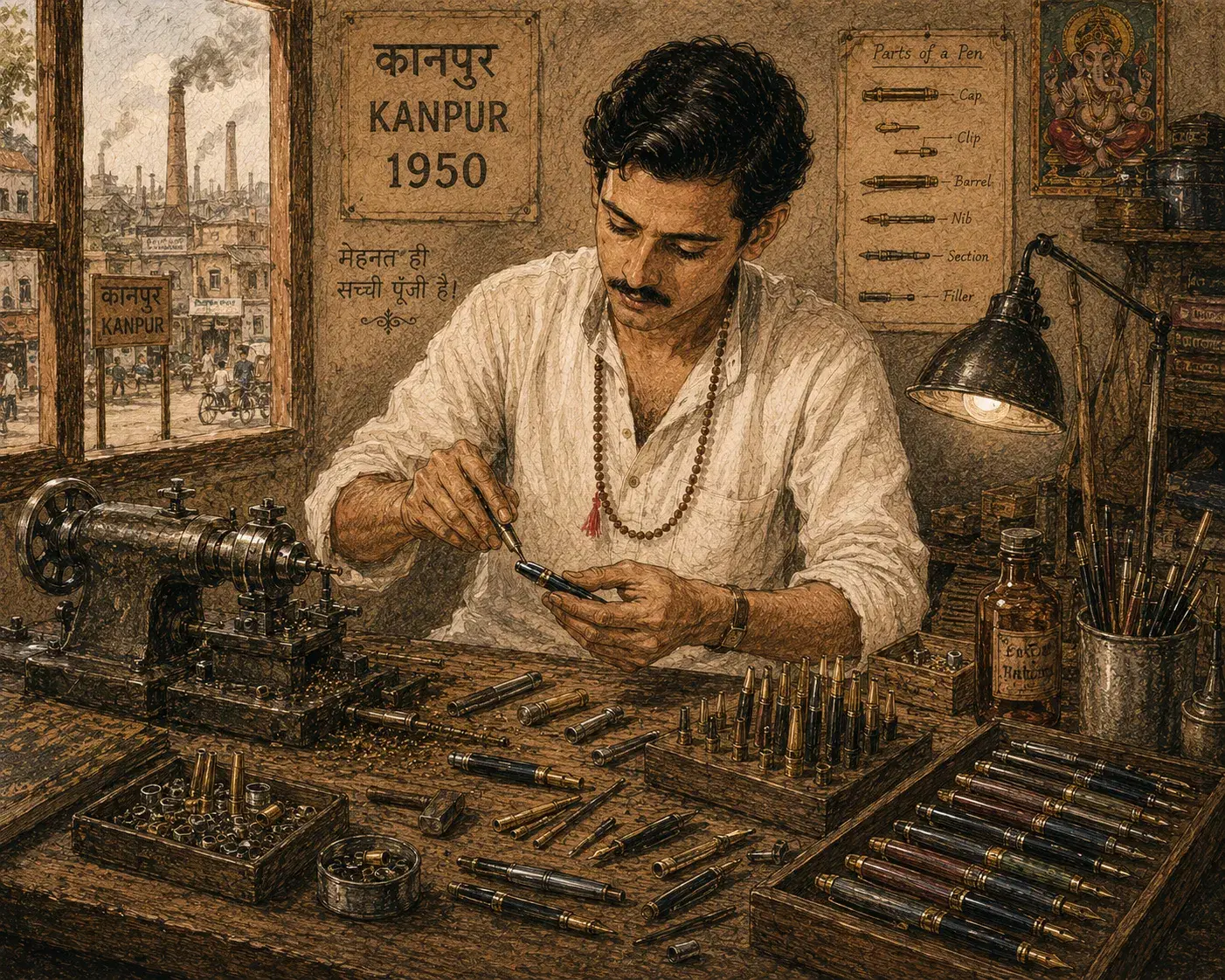
I come from a lineage of builders, sellers, and problem-solvers.
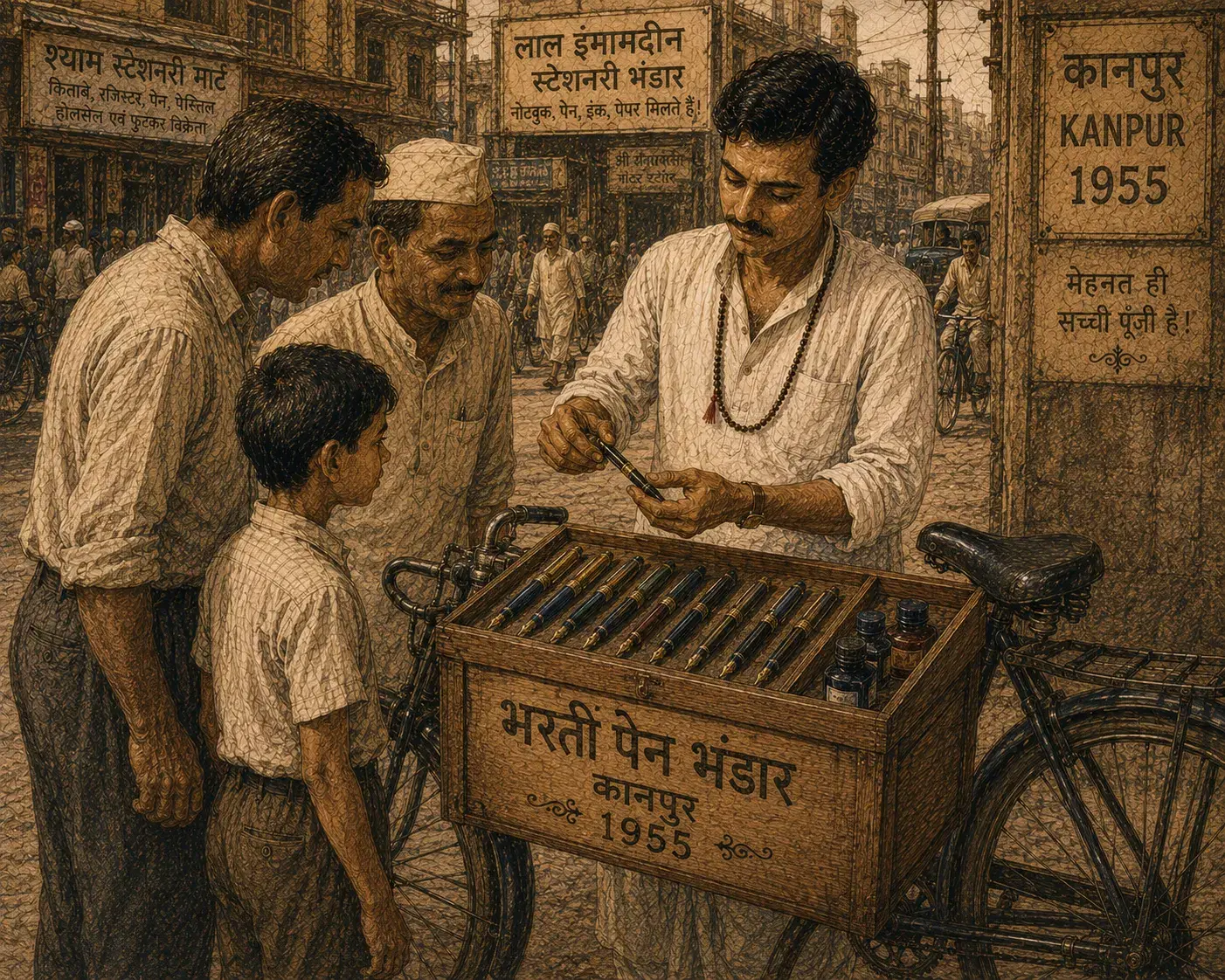
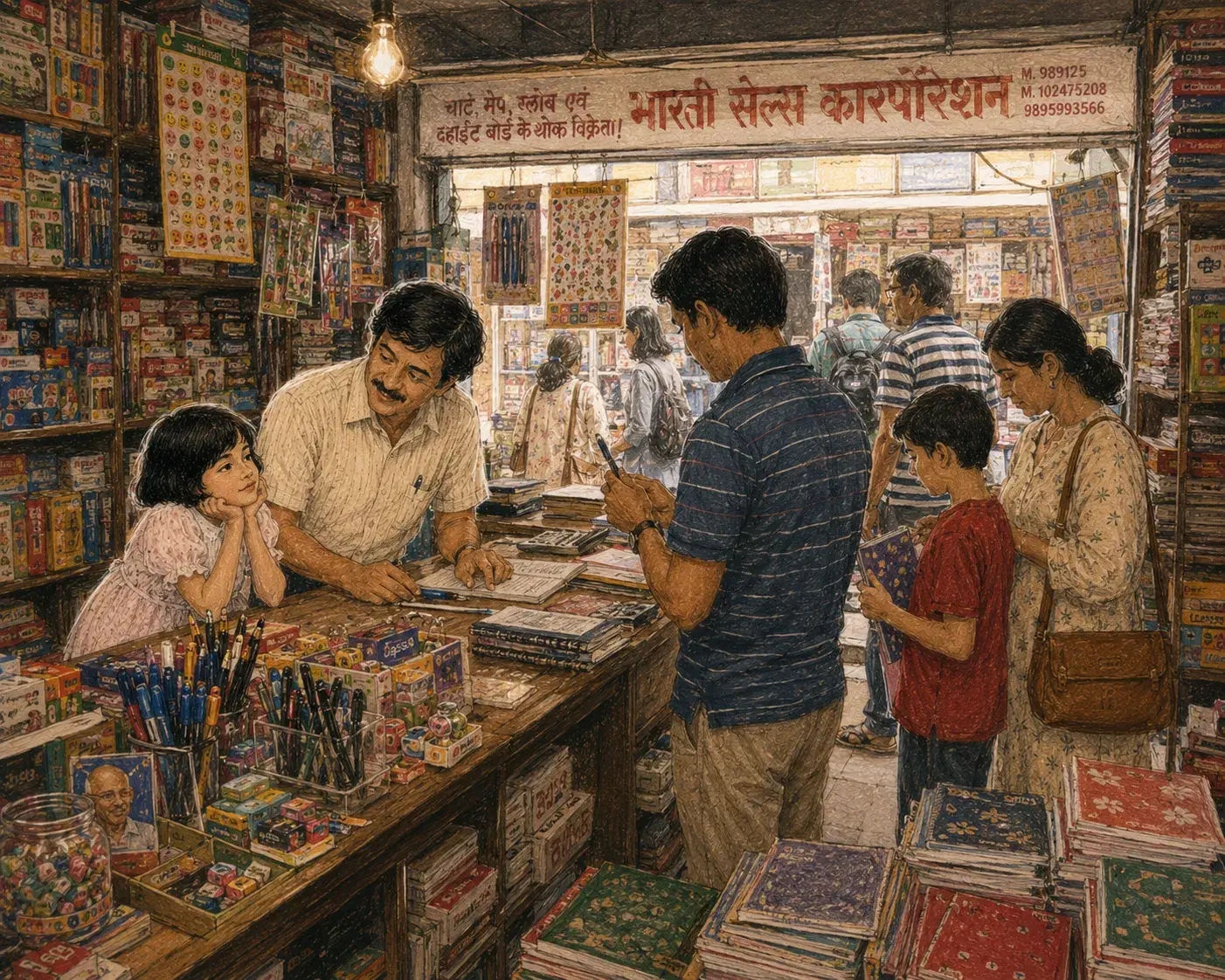
My grandfather migrated to India during the Partition and slowly built a stationery business from scratch. Over the years, the small shop became more than a business — it became a place where I unknowingly began studying people.
As a child, I spent hours watching customers interact with products. I observed how people compared choices, what attracted their attention, how trust was built, and how even the smallest product could carry emotional value. Long before I formally studied design, I was already learning how products fit into everyday life. Those experiences became the foundation of how I think today: thoughtful design begins with observation, empathy, and understanding real human behavior.
Finding the right
design path
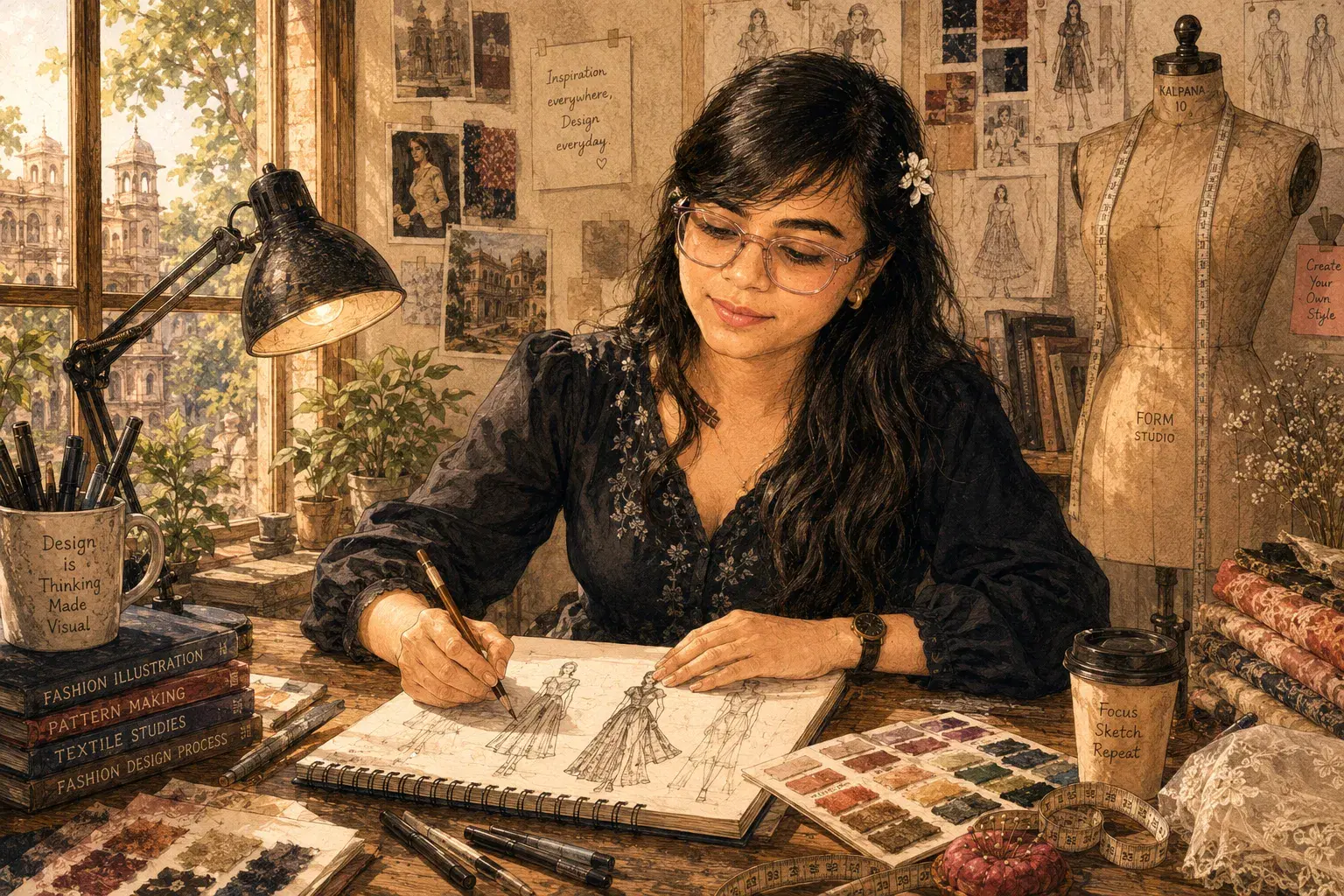
My formal journey began in fashion design, where I spent four years exploring creativity, aesthetics, and visual thinking. But over time, I realized my curiosity extended beyond fashion itself.
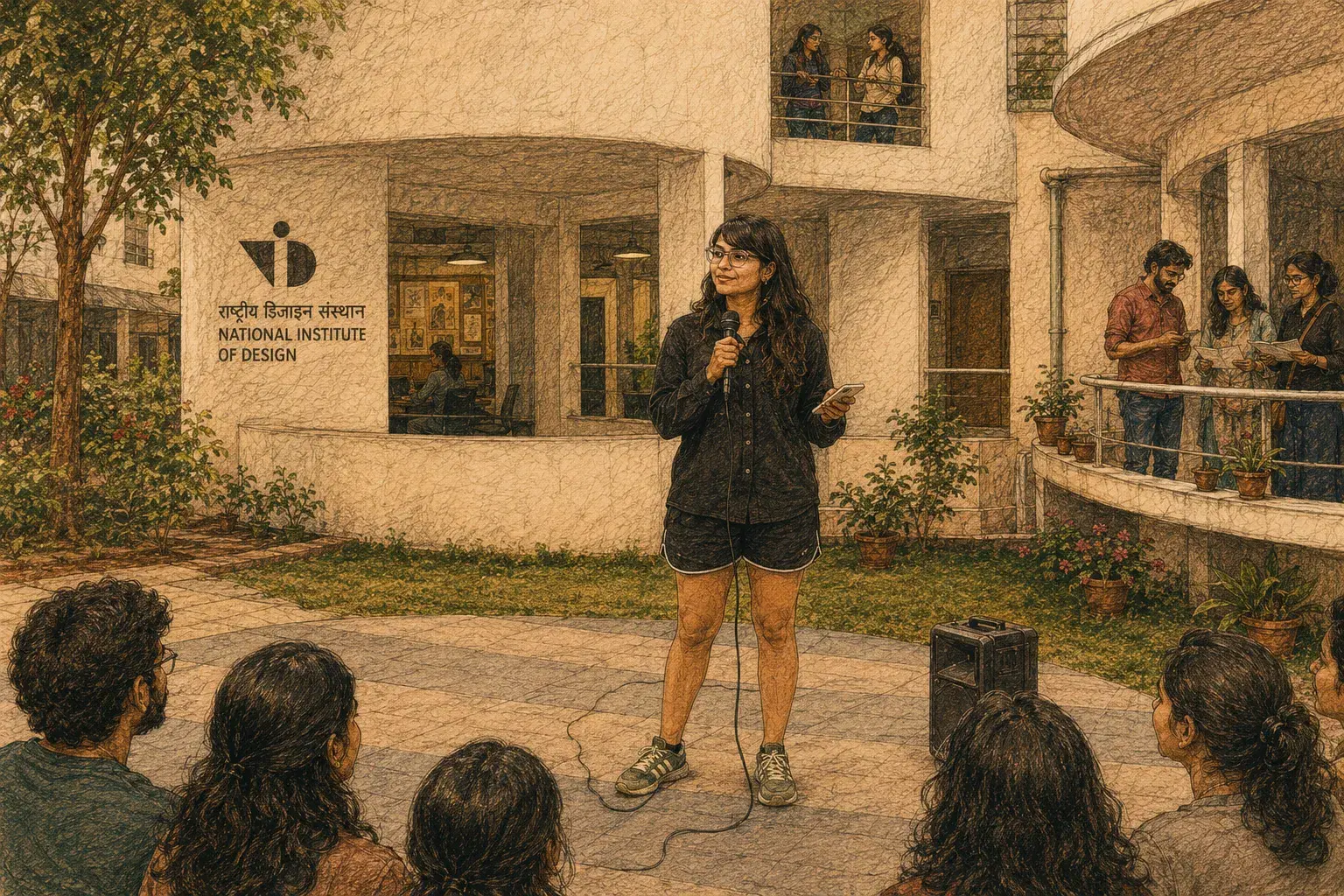
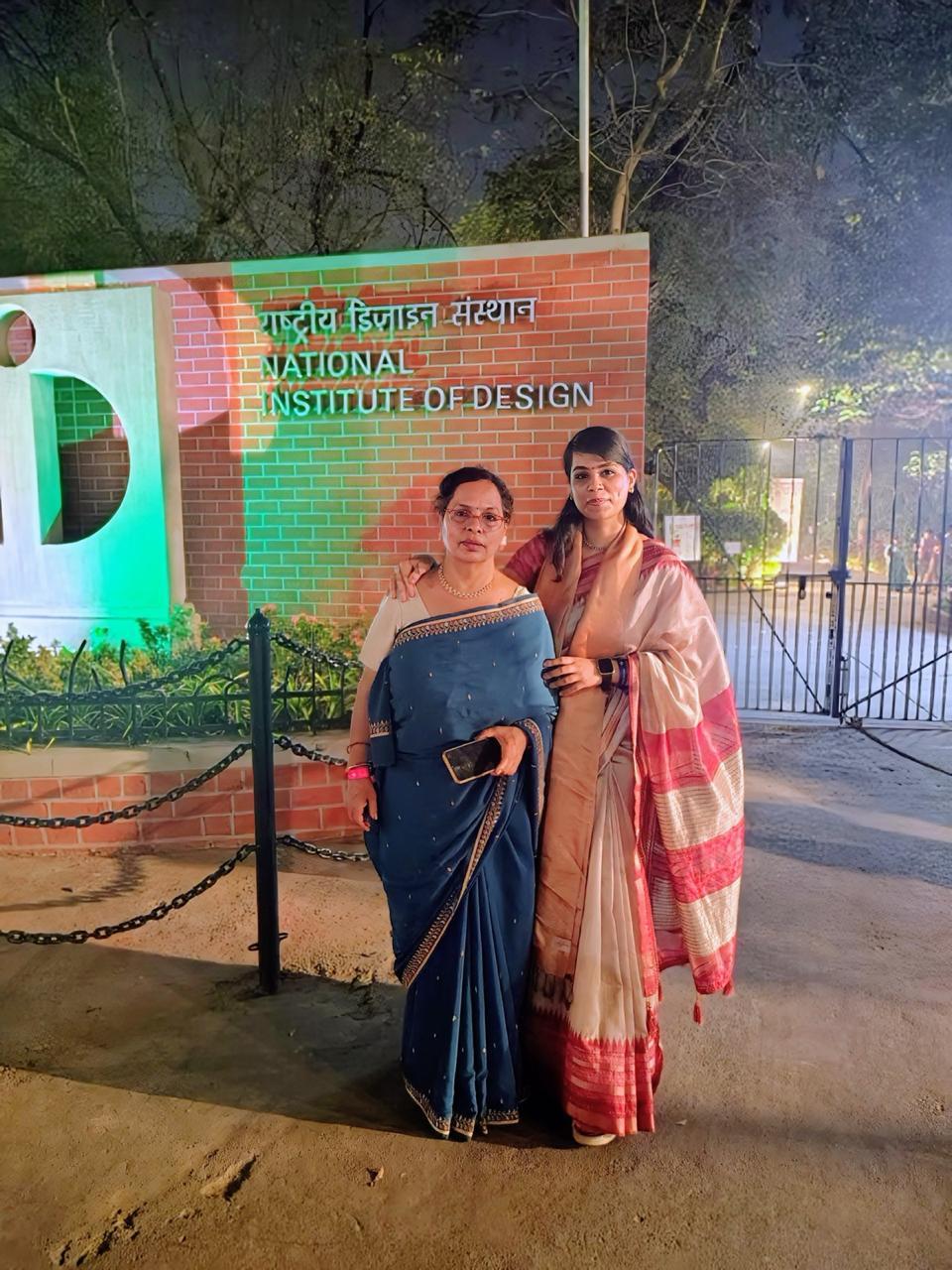
Everything changed when I discovered Design for Retail Experience at the National Institute of Design (NID).
It connected directly with the world I had grown up around — products, retail environments, customer behavior, storytelling, and spatial experiences.
At NID, I learned how to translate instinct into intentional design thinking. The experience shaped how I research, analyze systems, and create meaningful experiences that balance functionality with emotion.
Building through
experiences
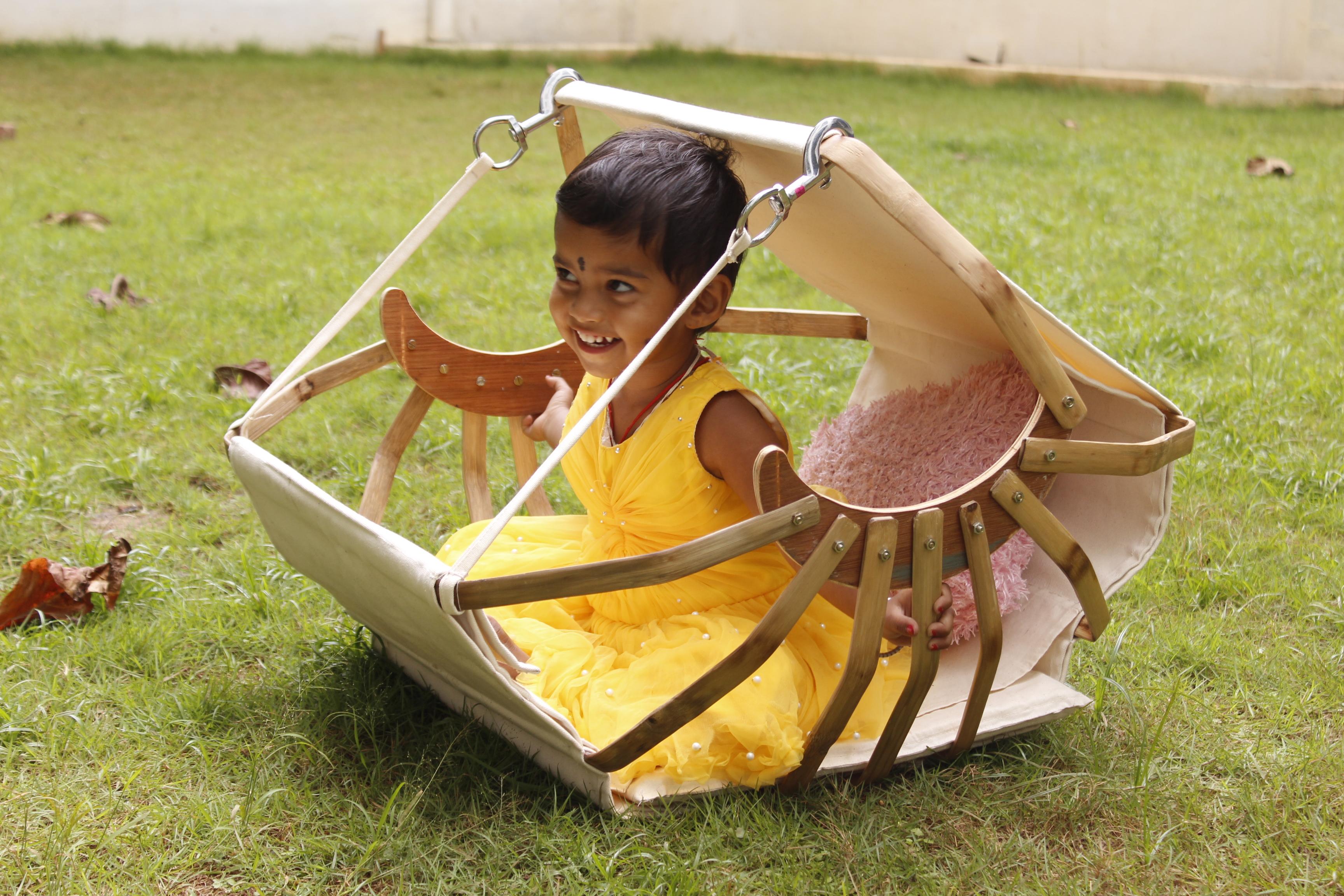
A playful childhood moment captured with joy, innocence, and timeless memories that continue to inspire warmth, happiness, and beautiful storytelling.
01
Design patent &
product thinking
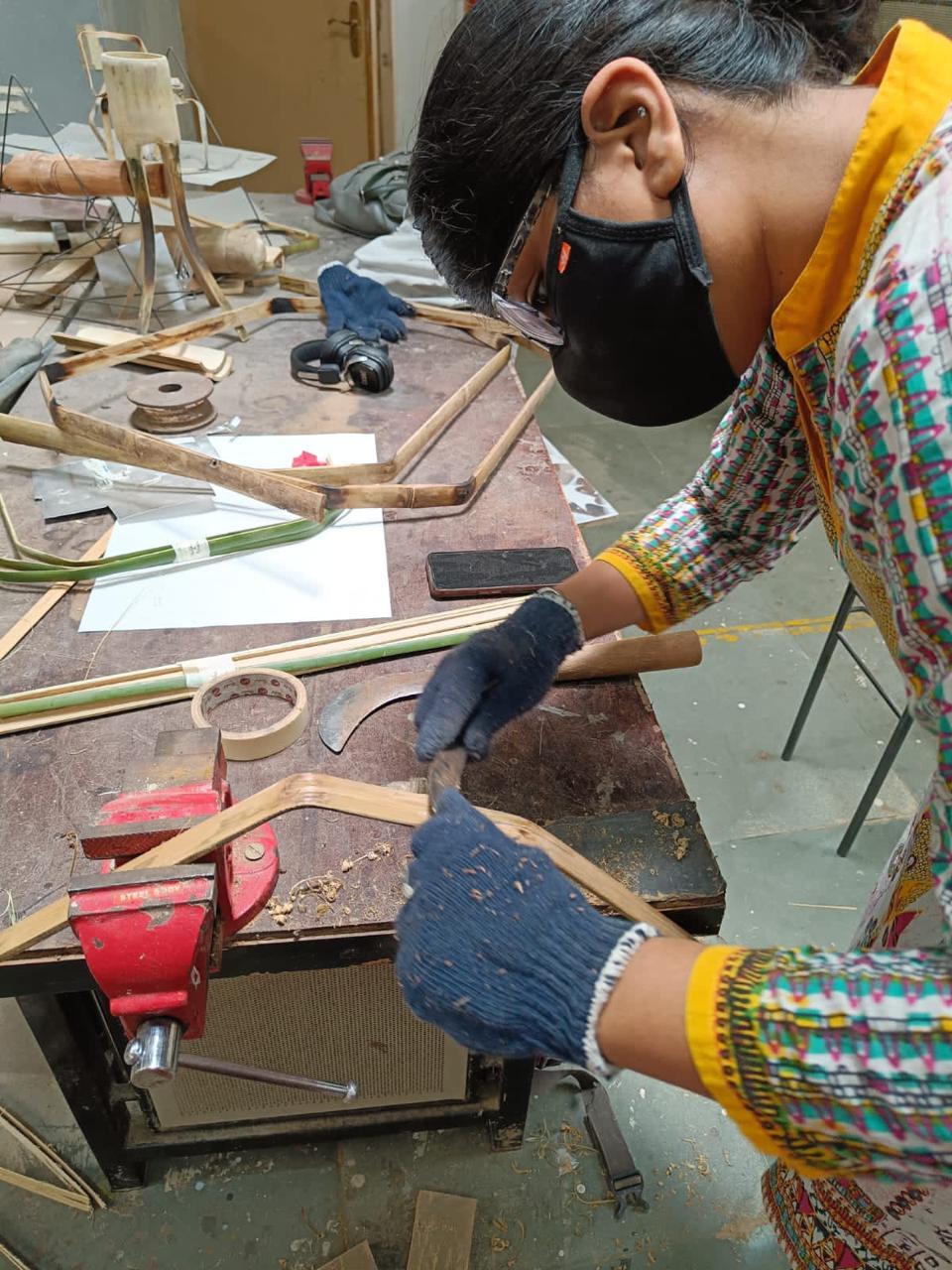
One of the defining milestones during my time at NID was securing a design patent for a sustainable cradle concept developed as part of a furniture design project. The project focused on creating an environmentally conscious solution that combined functionality, comfort, and thoughtful craftsmanship. From early research and concept sketches to prototyping and final execution, the experience taught me how to transform an idea into a practical design solution with real-world relevance.
The project strengthened my understanding of sustainable design, material exploration, and user-centered thinking while teaching me how to balance creativity, usability, and real-world impact.
02
Designing for
healthcare impact
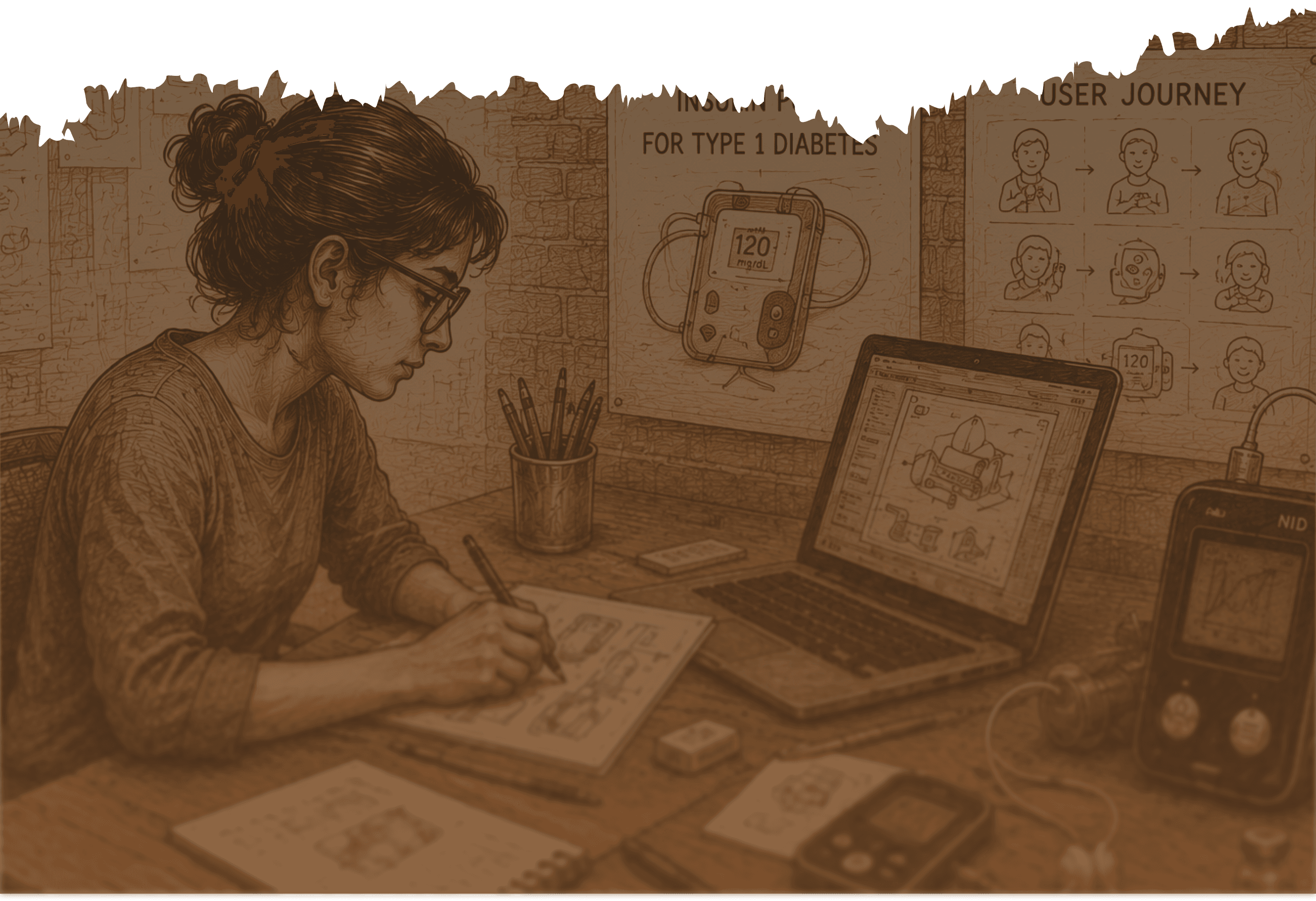
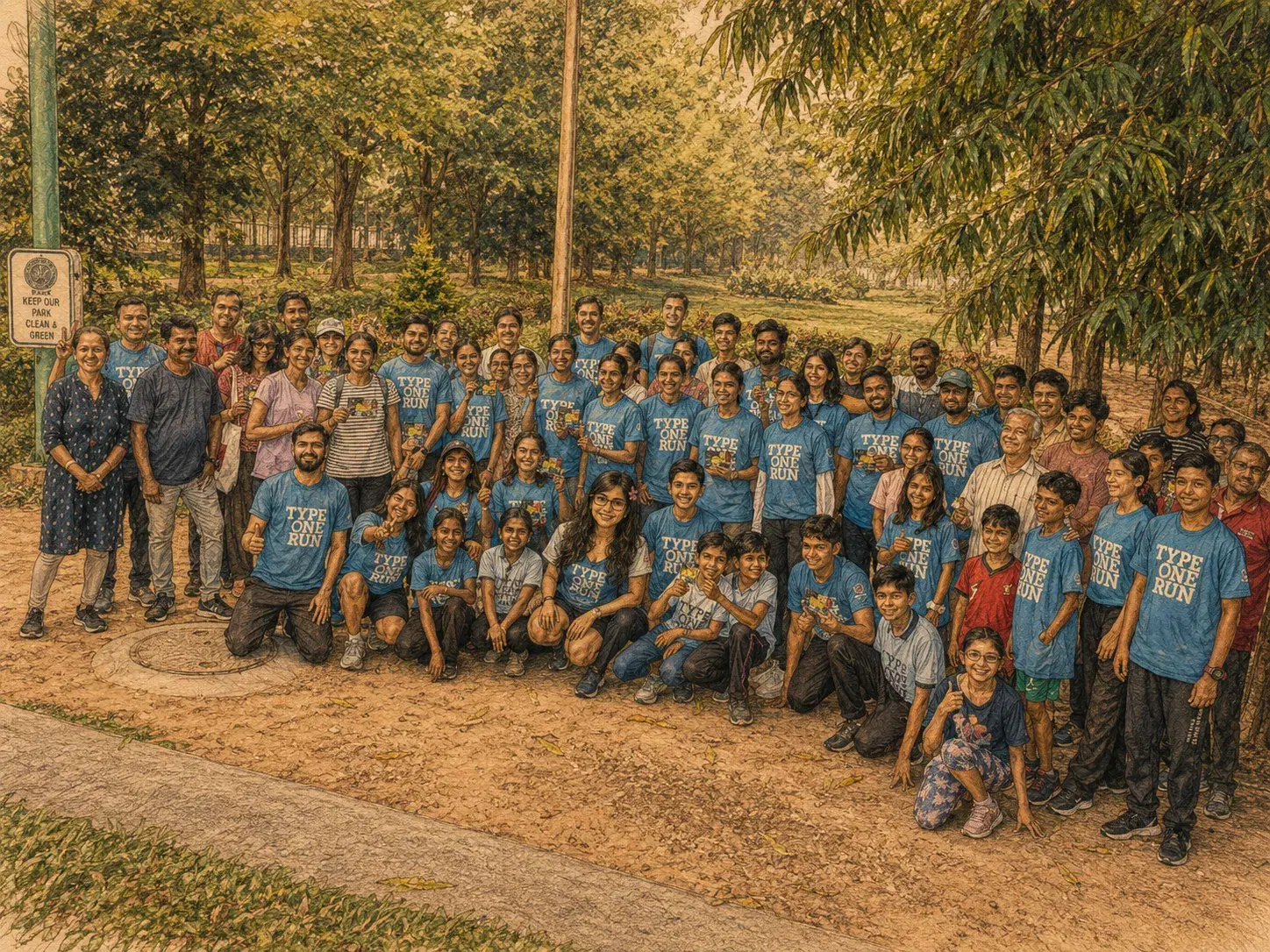
My journey later expanded into healthcare innovation at IISc, where I worked with CPDM as a Design and Patient Advisor on one of India’s first insulin pumps for people living with Type 1 Diabetes.
Living with Type 1 Diabetes myself helped me design from both perspectives — user and designer — strengthening my belief that meaningful design is built through empathy and real-life experience.
03
Intuit
core design team
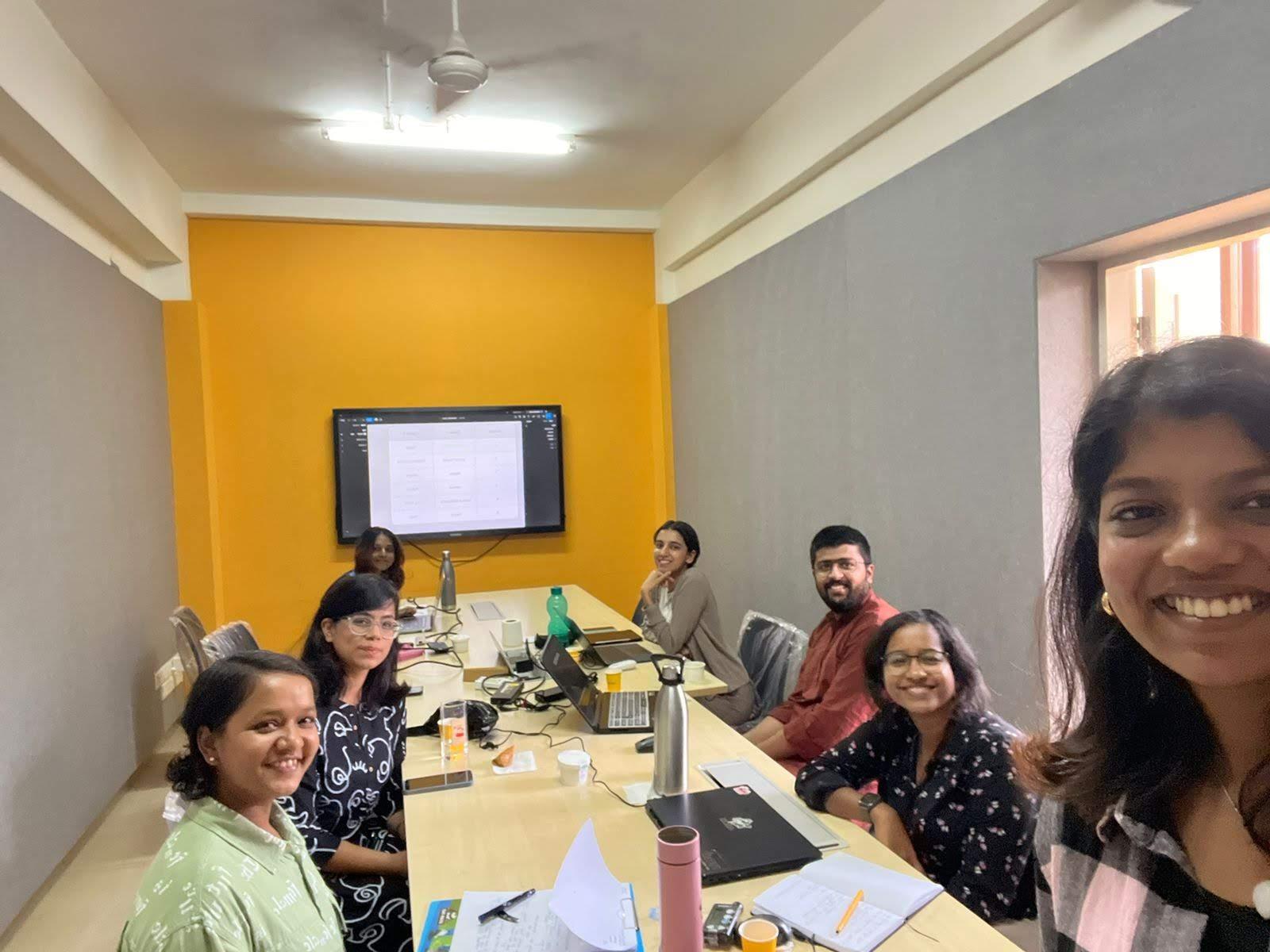
Currently, I'm part of the Intuit Core Design Team, where I contribute to large-scale design and product initiatives.
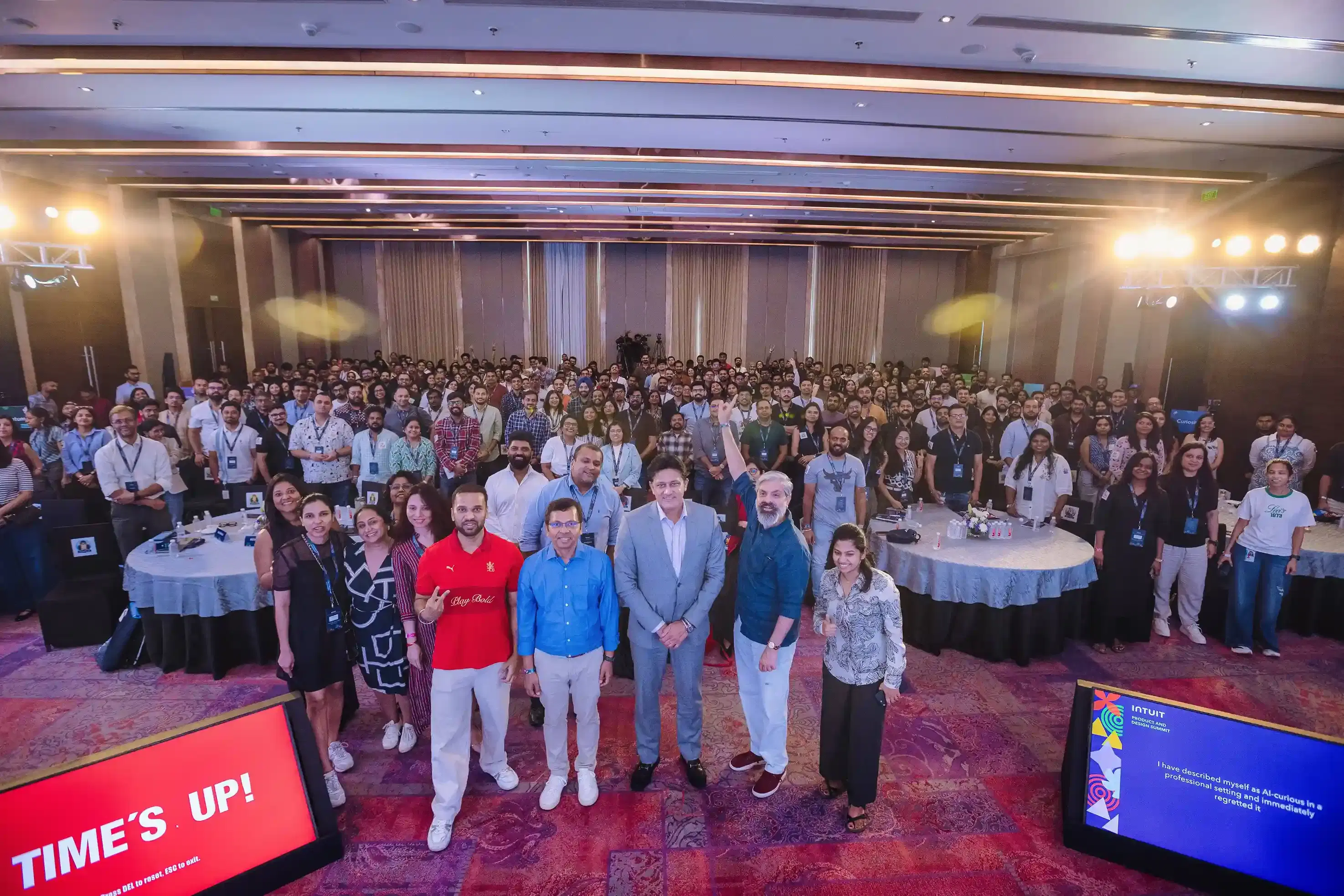
One of the highlights was working on the PM/XD Conference at IDC, Bangalore—Intuit's first-ever Product and Design Summit in India.
The event brought together over 300 attendees, with every seat filled. It was designed not just as a conference, but as an experience:
- The "Find Your Tribe" activity helped people connect meaningfully
- Sessions were candid, relatable, and sparked thoughtful discussions
- A fireside chat with Anil Kumble offered powerful insights into leadership and discipline
- Our Design for Delight (D4D) approach encouraged curiosity and conversation
- The TED Salon added a layer of cross-disciplinary inspiration
Being part of this initiative strengthened my ability to design at scale—crafting not just products, but ecosystems and experiences.
Principles that
guide every project
Empathy
First
Designing with a deep understanding of real human experiences to create intuitive, meaningful, and impactful solutions that feel natural, thoughtful, and deeply connected.
Curiosity &
Exploration
Continuously learning through conversations, observation, travel, and experimentation to discover new perspectives and create better, more meaningful design experiences.
Systems
Thinking
Looking beyond individual screens to design connected experiences, seamless systems, and meaningful digital ecosystems that work together naturally and intuitively.
Consistency
Over intensity
Believing in long-term practice, patience, and steady growth through continuous learning, consistent effort, and the willingness to evolve with every experience and challenge.
Research
Led decisions
Balancing emotional understanding with insight-driven thinking and evidence to create thoughtful, human-centered solutions grounded in both empathy and clarity.
Personal side section
beyond design
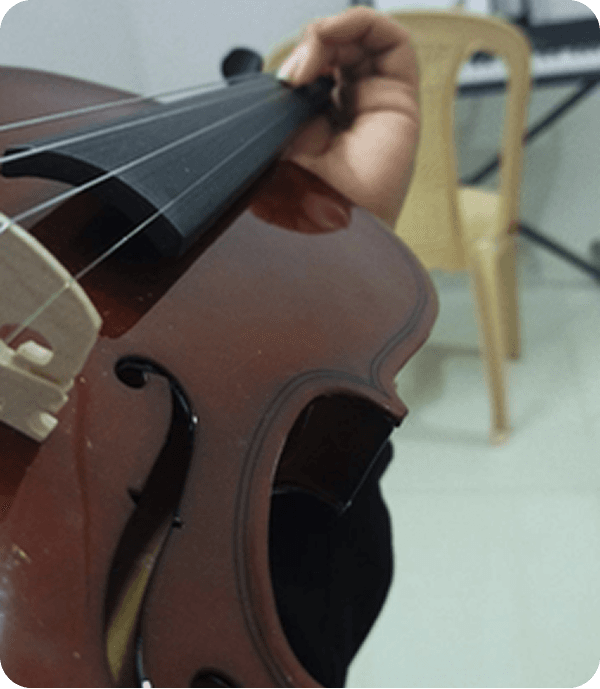
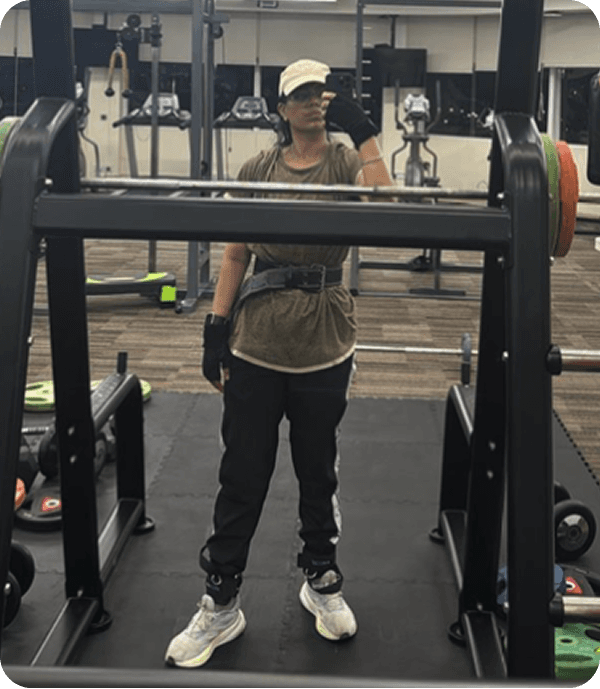
Outside of work, I enjoy experiences that encourage patience, discipline, and continuous learning. I play the violin, practice strength training, journal regularly, cook, walk often, and enjoy solo travel experiences that allow deeper observation and conversations with people from different backgrounds. These personal practices influence the way I approach design — with curiosity, openness, reflection, and a constant learner mindset.